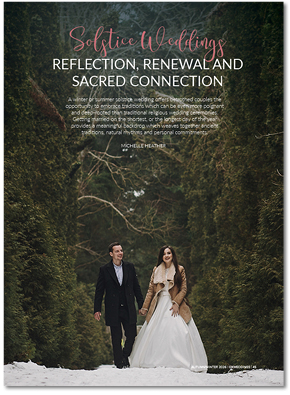


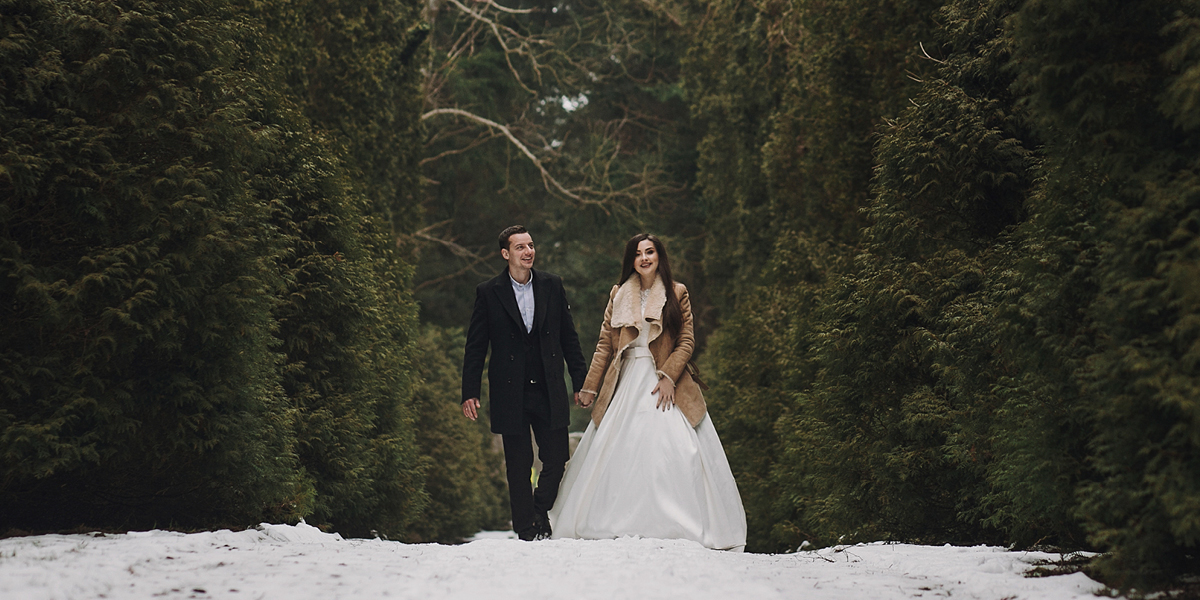
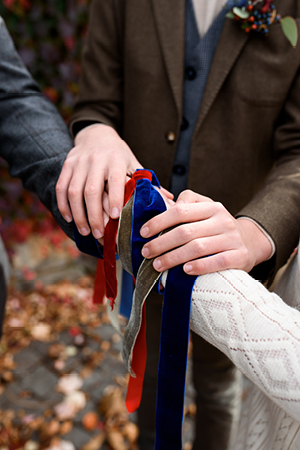

A winter or summer solstice wedding offers betrothed couples the opportunity to embrace traditions which can be even more poignant and deep-rooted than traditional religious wedding ceremonies. Getting married on the shortest, or the longest day of the year provides a meaningful backdrop which weaves together ancient traditions, natural rhythms and personal commitments.
A winter solstice wedding is full of symbolism. As we know on the shortest day of the year darkness falls by mid-afternoon and the day marks the turning point in the year when we start celebrating light returning to the world. With increased daylight thereafter, the day carries the symbolism of rebirth, hope, and the triumph of light over darkness, which has roots back to Pagan and astrological beliefs. For those who believe in astrology, the winter solstice when the Sun enters the cardinal earth sign of Capricorn, ruled by Saturn: a time of rebirth, a fresh start and a time to build a strong base for a life together. A perfect date for ceremonies of love and union, where two individuals commit to bring light and warmth to each other’s lives.
In many ancient cultures, the solstice was a sacred time of gathering, storytelling, and honouring the cycles of nature. From Celtic Yule to Norse celebrations of Jul, communities would light fires, exchange gifts, and feast together in recognition of life’s continuity, even in the depths of winter. These traditions remind us of the enduring power of connection and commitment: themes central to handfasting rituals.
Handfasting, an ancient Celtic tradition, is deeply rooted in the cycles of nature. Originally a form of betrothal or temporary marriage, handfasting has evolved into a sacred ritual which binds together two individuals in a symbolic act of unity. The Celtic handfasting ceremony is where the saying ‘tying the knot’ originates from, as a family member or wedding celebrant joins the couples’ hands together with a special length of material as a symbol of their commitment to one another. The ends of the ribbons are then tied into a knot which remains tied for the duration of their relationship. Ribbons can also be braided together to make one cord, if preferred.
This intertwining of hands with a braid symbolises the blending of two lives, much like the solstice signifies the blending of darkness and light. Choosing this time of year for a handfasting is a powerful way to honour the cycles of life and love, connecting your union to the rhythms of the Earth. Regardless of their wedding date – or their religious beliefs – many couples today are opting for this type of wedding ceremony, as the handfasting ritual is for anyone and everyone. It is also perfect for people wishing to renew their vows.
A handfasting ceremony also offers elements which honour the winter season’s themes. These include:
Use symbolic and customised colours for your handfasting braids
For a winter solstice wedding you could select colours reflecting the season such as deep greens, reds, golds and silver, representing evergreen life, warmth and light. Colours chosen for the handfasting braids all have symbolism associated with them. Ultimately, though, the colours you select should be chosen for the significance they have to you as a couple: you may opt for your favourite colours or colours to match your décor rather than selecting colours for their symbolic meaning.
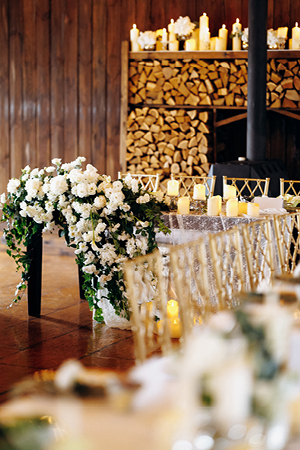 Find a suitable rustic venue
Finding the appropriate venue for any wedding is important but when it comes to arranging a solstice wedding, the ambience and location of the wedding venue can be even more meaningful. Choose an old building such as a rustic barn with beams and possibly a large fireplace. For a summer solstice wedding, a magical woodland setting would be full of ambience.
Use seasonal décor
To evoke the magic of the winter solstice and embrace the darkest day of the year, incorporate holly, ivy, pine and natural foliage with berries and mistletoe interwoven. Trail rich red ribbons throughout and add to the ethereal, structural feel with honesty seedheads or pussy willow.
If the venue permits, use lit candles through the evening welcoming back the light (if not, there are some very realistic looking ‘fakes’ which are widely available online and on the high street). Vows are often exchanged surrounded by glowing lanterns, pillar candles or a circle of lights to ward off the winter darkness. If the venue has a fireplace, burn a traditional Yule log in the hearth. This symbolises warmth, protection and the fuelling of the newborn sun.
For an outdoor summer solstice wedding, lighting candles or even a small bonfire can also serve as a meaningful focal point.
Feasting and toasting
Pagans traditionally began to celebrate the festive season on 21 December, and would continue for the entire Yule period, concluding on 6 January. As this was a period of merriment, many people would also choose to get married midwinter.
When it comes to selecting suitable food for the wedding feast, typically it will include hearty meat, game and fish dishes served with seasonal winter vegetables. Not only do such feasts ward off the winter’s chill but also foster a sense of community and gathering. As for wedding drinks, mulled wine punch or a non-alcoholic version made with grape juice would be traditional.
One other tradition for both winter and summer solstice weddings, is a mead toast. According to folklore, an ancient Norse custom involved newlyweds drinking mead (a fermented honey drink) for a full 30-day lunar cycle to ensure fertility and good fortune beheld the couple.
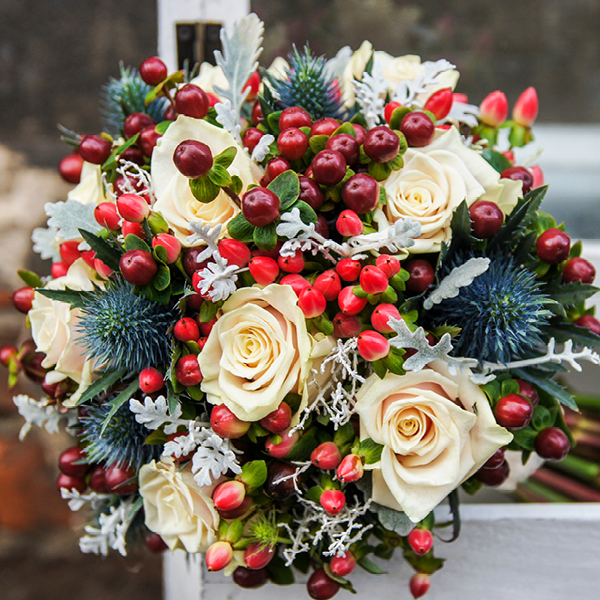 Bridal flowers
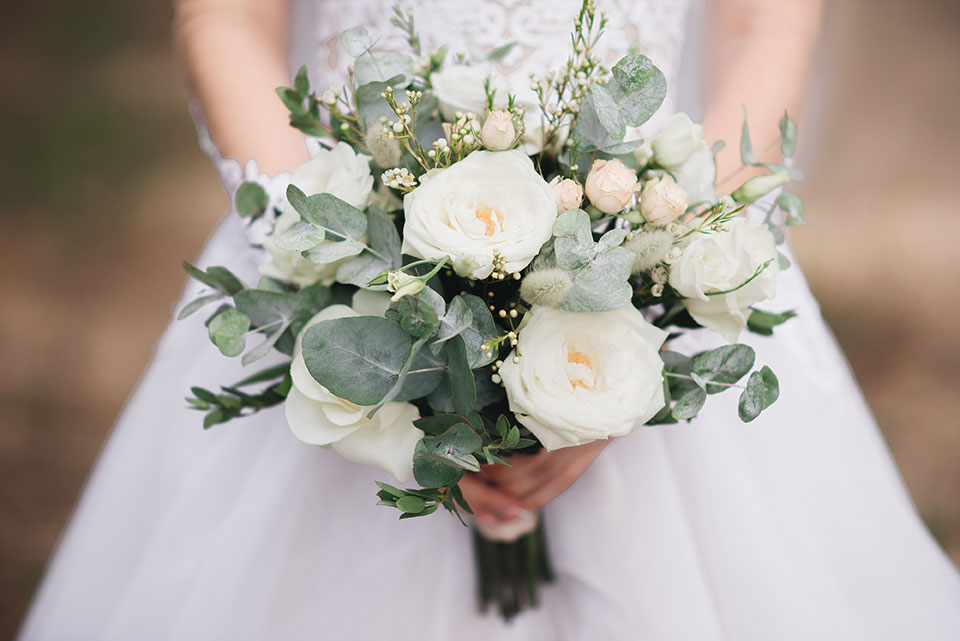
For a winter solstice bridal theme, embrace the darkest day of the year with rich jewel-like tones, crisp winter whites, and foraged textures. Perfect seasonal choices include velvety Hellebores, known as Christmas roses, striking white or dark indigo blooms with dramatic black dark centres like anemones, or ranunculi with their lush, layered petals in rich burgundy, red or white. Silver thistles can also add a frosty, celestial interest.
Floral crowns are often worn by brides and their bridesmaids. Made of fresh seasonal flowers and foliage, they bring an earthy, bohemian feel.