

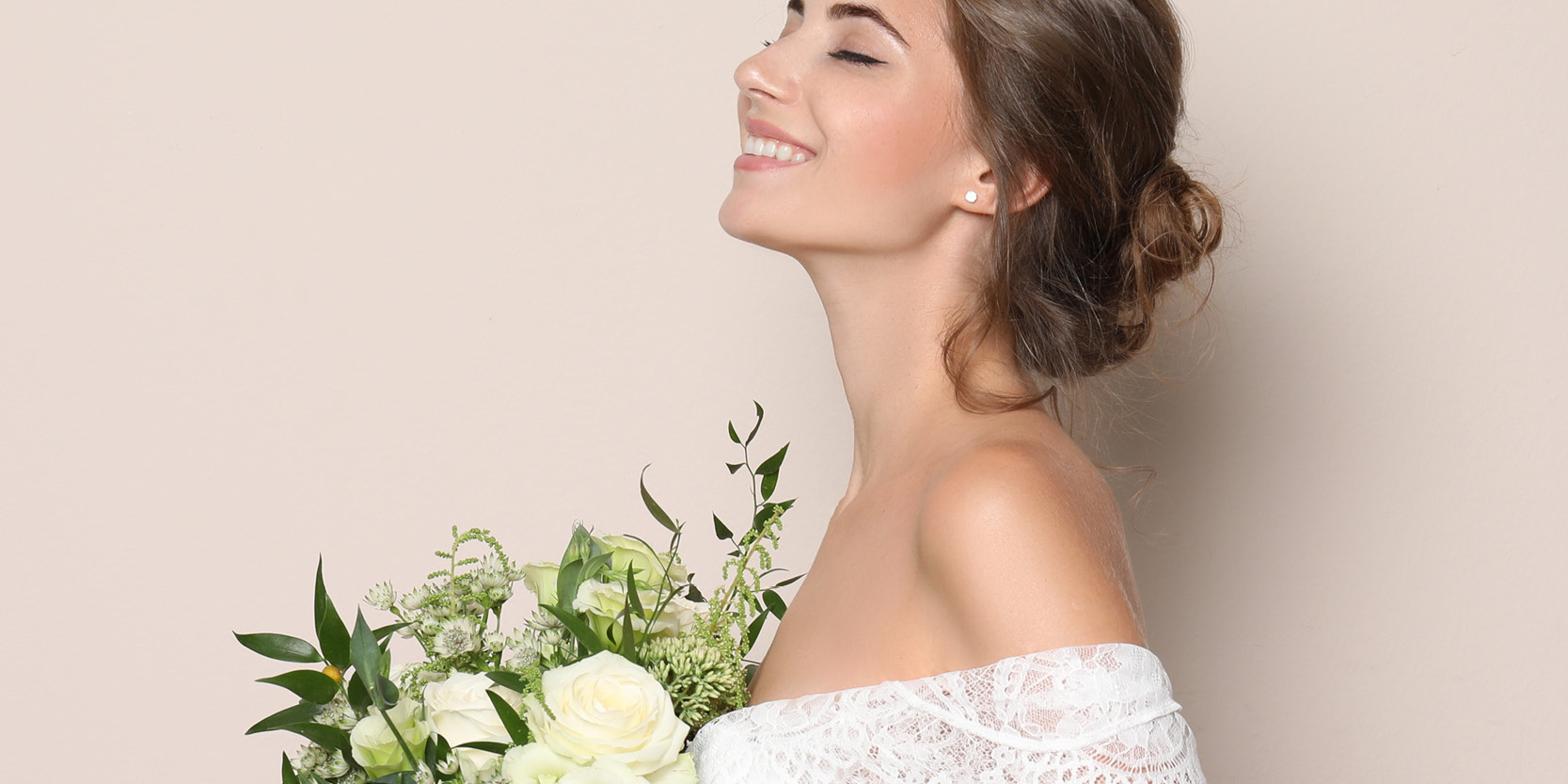
We all know that roses represent romance and white lilies stand for purity but what about some of the more contemporary choices we’re seeing in wedding bouquets? We spoke with founder of popular website gardenersdream.co.uk, Craig Wilson, who shared his expertise on all things horticultural to fill us in on the darker history of some of our favourite blooms. Plus some great alternatives to swap them for if you’re feeling superstitious…

Hydrangeas
Hydrangeas are an incredibly popular flower that has been seen in multiple bouquets and are known for being a soft and pillowy addition to an arrangement. However, these flowers can symbolise arrogance and their full-looking appearance has also contributed their meaning to boastfulness and vanity. If that puts you off, Craig suggests that instead of hydrangeas, you could try lilac which has a similar appearance and smells divine.

Orange Lillies
Orange lilies carry a sentiment of hatred and contempt, so they’re not the best choice for gifting to someone you admire. Still, some say they can have a double meaning. If you do decide to include them in a bouquet, it might be wise to include a little note to emphasise your good intentions and clarify the message. Craig tells us that orange orchids could be a better choice as they can reflect the beauty of the arrangement and represent excitement and enthusiasm.

Marigolds
Marigolds can have complex meanings. Usually known as the flower of life and death, they’re still popular choice for a bouquet. However, when it comes to the history of the flower itself, Marigolds were known to be Shakespeare’s favourite flower which he referenced as a metaphor for death multiple times in his works. You could opt for ranunculus instead, which represents charm and attractiveness.

Dahlias
Dahlias are known to be a complicated flower but have gained popularity in wedding bouquets over the years. These flowers are notable for being tied to sadness and betrayal, as in the tragic story of The Black Dahlia. Despite these negative connotations, they have been featured prominently in autumn bouquets and flower arrangements. Rather than dahlias, you could use chrysanthemum which represents longevity. Much more fitting for a wedding.

Sweet Peas
Sweet Peas are a popular flower mostly used in centrepieces. However, they do have a darker meaning as they were known for farewells and goodbyes in Victorian England. You might prefer peonies, which represents love, happiness and beauty.
And how to put them together?
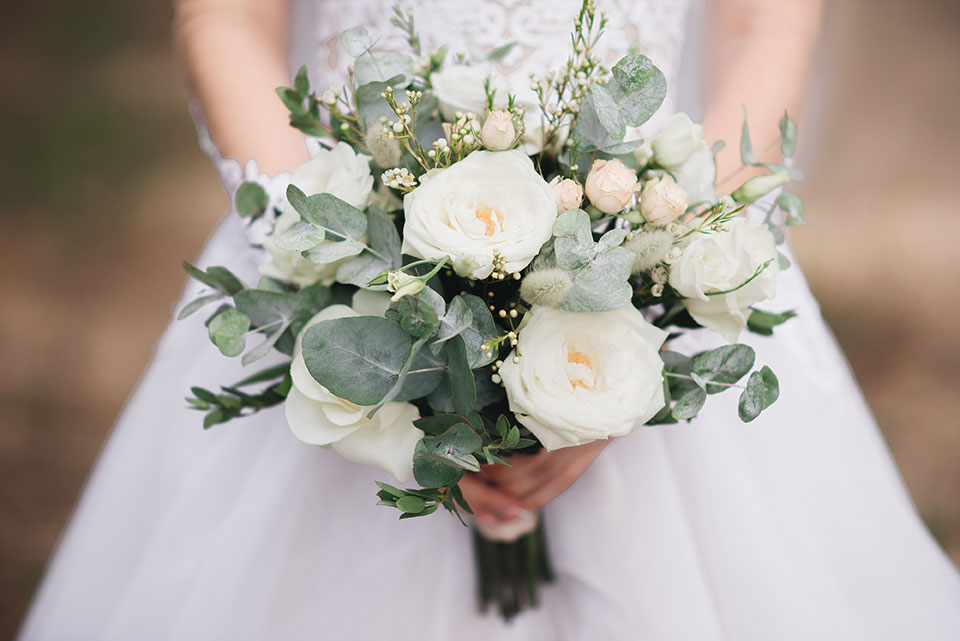
We asked Bloom & Wild’s Floral Lead Lucy Hook what’s trending in wedding florals, and she told us: “In 2026, wedding florals will feel airy, tonal and textured, moving away from over-styled arrangements toward more fluid, garden-inspired designs. It’s all about creating balance: mixing structured stems like delphinium with softer, cloud-like fillers and tonal roses gives a look that’s effortlessly romantic – nothing too ‘done’, just naturally beautiful.”
Lucy’s Expert Tips:
• Think in tones, not exact matches
Mixing lilac, lavender, and champagne hues in varying intensities adds depth and softness. A tonal palette always feels more natural and romantic than strict colour coordination.
• Layer your textures
Pair structured stems like delphinium or roses with airy fillers such as limonium and stock to achieve that dreamy, garden-inspired look.
• Prioritise scent and longevity
Blooms like matthiola (stock) and ranunculus not only look beautiful but add fragrance and stay fresh throughout the day.
• Choose seasonal stems
Selecting flowers that are naturally in bloom for your wedding month ensures better quality, sustainability, and a more organic feel.
• For DIY bouquets
Condition your flowers the night before, trim stems, remove lower leaves, and let them hydrate, then arrange in layers: start with your greenery, add focal blooms, and finish with smaller fillers for a balanced shape.