

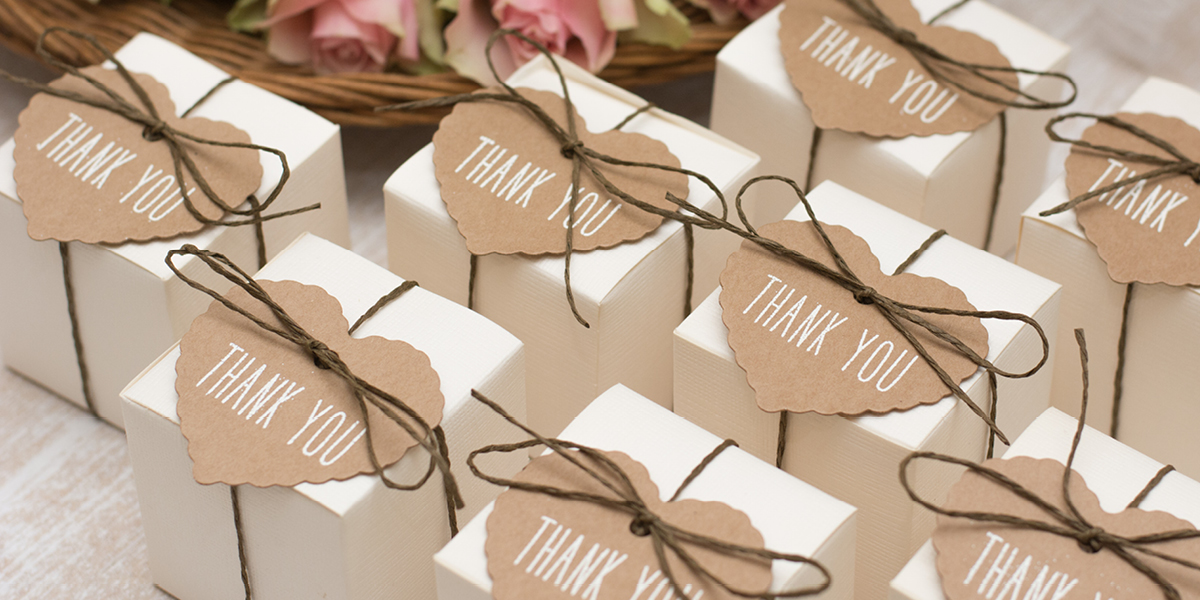
A tradition which has continued through the centuries and remains an important element of most weddings today.
Wedding favours began in the16th century when the French and Italian elite shared tiny, ornate trinket boxes of crystal, porcelain, or gold filled with expensive sugar-filled bonbonnières. They were called ‘favours’ as they were bestowed by the bride and groom upon their guests as a physical token of kindness, goodwill and appreciation. In essence, the couple were doing someone a ‘favour’; they were doing a kind turn and, as sugar was an expensive luxury at the time, they were giving a generous gift sharing wealth and good fortune with their guests. For families with less money to spend, handmade lace and ribbon ‘love knots’ were given as tokens of affection and luck.
Over time, the expensive bonbonnières were replaced by sugared almonds. This brought one tradition together with another as offering almonds to guests originates back to the Ancient Egyptians who gave them as a symbol of wealth. Moreover, in Greece it is believed that if an unmarried woman places sugar-coated almonds under her pillow as she goes to sleep, she will dream about her future husband. And it’s not just the almond that carries a significance, the number is important, too. When used for wedding favours, guests are always given five almonds, representing health, wealth, happiness, fertility and long life.
Today, couples focus on practical, consumable, or eco-friendly gifts rather than expensive personalised trinkets. If you are arranging a wedding in 2027 and want to continue the tradition of giving your guests a wedding favour, there are several options you could choose from.
If sugared almonds don’t appeal, or you are worried about nut allergies, here are a few suggestions. People tend to enjoy wedding favours which they can eat, drink or have a positive use for – rather than items which can end up as clutter. The first thing to consider is your budget, and then what would suit both the theme of your wedding and the average age of your guests.
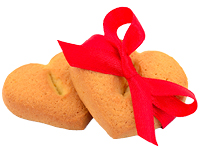
Sweet treats…
- Artisan chocolates or biscuits in a custom-made box in keeping with the theme of your wedding stationery and table settings.
- If you can find a local supplier, either from your home area or where the wedding is being held, look out for small jars of honey or jam.
- Small packets of specialist tea or coffee.
- Miniature bottles of booze or cordials.
Eco-friendly items to consider…
- Paper tags made from bio-degradable, recycled paper embedded with live flower, herbs or grass seeds. After the wedding, these can be grown in soil to produce a living plant. Alternatively, look out for personalised seed packets. Mixed wildflower seeds are a popular choice.
- Along similar lines, seed balls can be hung outdoors and provide a nourishing and bio-diverse treat for birds, encouraging your guests to support wildlife.
- Handmade lavender sachets.
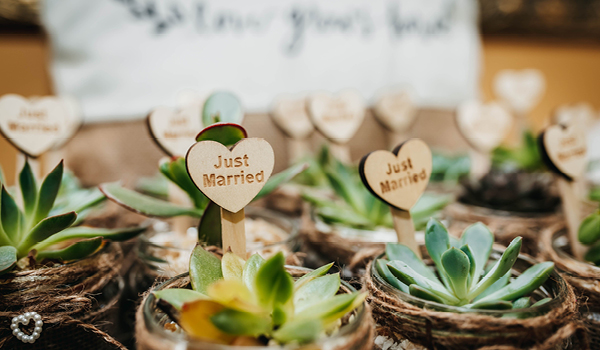
- Mini succulents give guests something to take home and also help decorate the tables.
If you want to offer something useful…
- Wooden coasters, perhaps engraved with the date or the recipient’s name. These can double up as place settings.
- Small beeswax candles from a local artisan maker.
- Small bars of handmade soap.
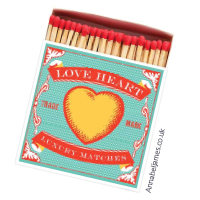
- Love-themed match boxes or match books have been a popular choice this year, bonus points for bespoke designs.
Whilst wedding favours are a nice gesture they are not an essential part of your day. However, they are still considered an appropriate way to show your guests how much you appreciate having them in your life. Although the gifts are small, they can be a way of thanking people for coming to join you in celebrating your wedding.